China’s AI Bubble Rapidly Loses Air
The mainland’s STAR50 has cratered more than 40% since its summer peak, as investors shed shares of the AI leaders that make up the index.

Sign up for smart news, insights, and analysis on the biggest financial stories of the day.

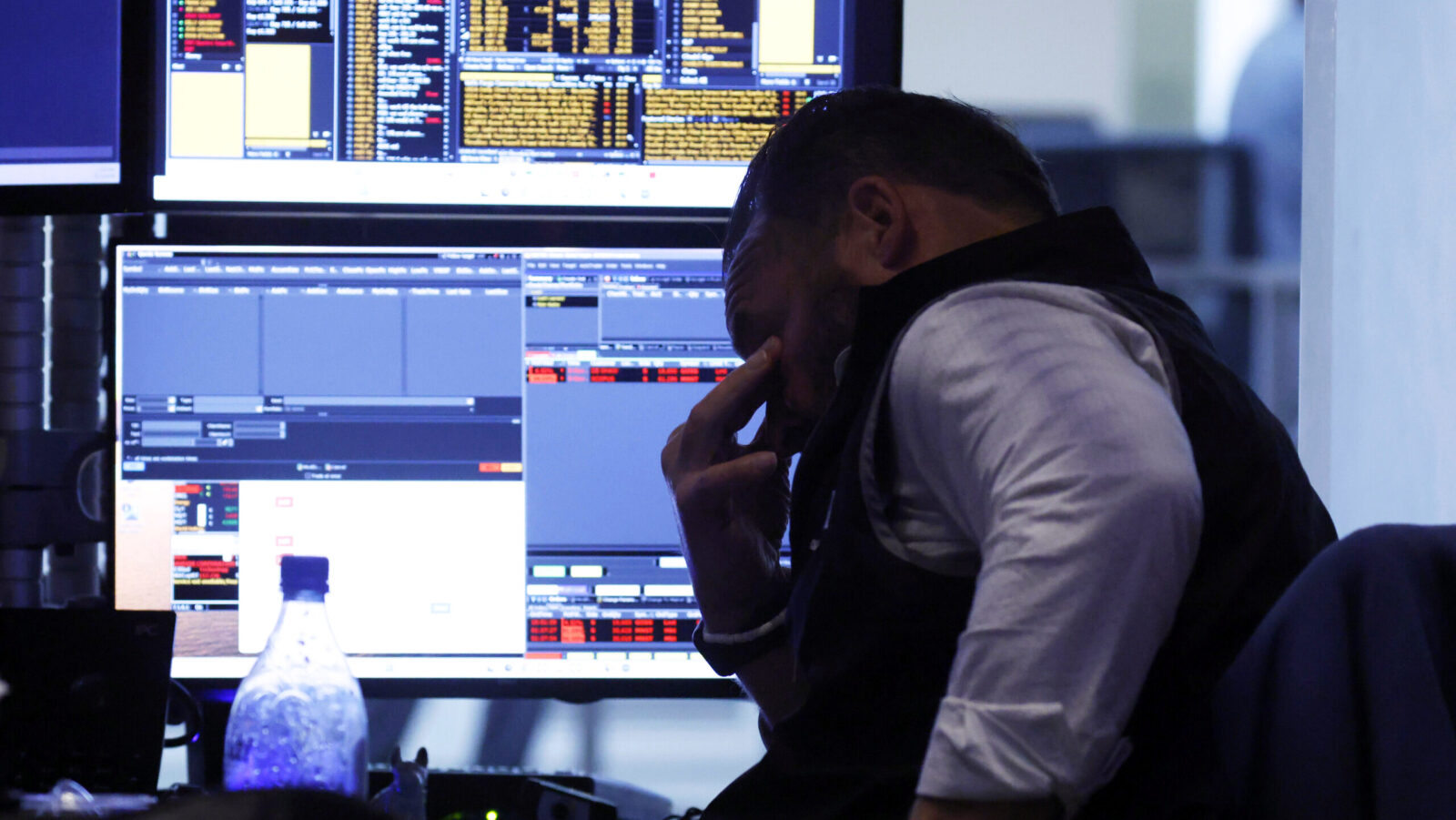
You think the AI selloff was bad here? China’s AI bubble is whizzing around the room as it deflates.
The mainland’s STAR50 has cratered more than 40% since its summer peak, as investors shed shares of the AI leaders that make up the index.
Beijing has tried to tame its bull markets with measures like increased margin requirements. But Chinese tech stocks have continued to buck higher than peers, with investors at the index’s peak paying a nearly 250 times multiple, per Reuters, on STAR50 companies’ earnings. Since China’s 2024 stimulus, the STAR50 has climbed about 230% through its June 30 closing high.
That’s come crashing down, spooking investors that are temp-checking US markets for signs they may be growing too hot to handle.
More Than Air in the Bubble
Traders are pointing fingers at several culprits, including high share prices, incoming tax bills, and the looming threat that the US and other countries could step up sanctions. The fear isn’t unfounded: The State Department earlier this month sanctioned five Chinese companies connected to the founder of AI startup Shanghai Zhisuan Technology, which it said engaged in or benefited from the theft of US trade secrets. China’s Commerce Ministry has said that China’s AI development is 100% homegrown.
Sanctions aside, some of the STAR Market-listed companies that shriveled in the recent rout simply were trading for much more than they had any track record to support:
- Robotics company Unitree’s shares closed Friday down about 23% from when they started trading in August — a first day that saw shares jump 460% above their IPO price. Still, its third-quarter results, reported this week, showed revenue up 70% from a year earlier as it rolled out new robots made for research labs and classrooms. Shipments of its humanoid robots (called Yang Bots because they can dance the yangge, a Chinese folk dance) topped 7,000 in the first half, more than in all of 2025, estimated Counterpoint Research.
- Memory chipmaker CXMT’s shares fell about a quarter in October, despite the company notching 132 billion yuan in profit in the first nine months of the year, reversing a loss the year earlier. GPU makers Moore Threads and MetaX (no relation to Meta or X), whose shares soared roughly 400% and 700%, respectively, on their debuts late last year, have each lost about half their value since July.
Overpuffed: A correction won’t necessarily derail China’s AI ambitions: Goldman Sachs still counts dozens of Chinese AI names, including CXMT, as promising. More pain could come before the market finds a floor, though. The US AI trade meanwhile has shown some signs that it could deflate at a slower pace until it reaches a reasonable size, like an overpuffed air mattress that needs to be rolled around on a bit. The Nasdaq slipped about 8% from its early-October record through Friday; North American startup funding fell 35% last quarter according to Crunchbase; and chatbot maker Character.ai filed for bankruptcy this month.